
About Emily Bachardy, Online Therapist in Virginia, North Carolina, Texas, Arizona, & Washington
Specializing in therapy for autistic, ADHD, and AuDHD adults healing from trauma.
Therapy for Autistic and ADHD Adults Who Are Tired of Feeling Misunderstood
If you’re autistic, ADHD, or both, you may have spent years feeling misunderstood in therapy.
Maybe therapists tried to “fix” behaviors that were actually part of how your brain works.
Maybe you’ve been told to “just try harder,” “think more positively”, or “practice coping skills” that never actually worked.
Therapy shouldn’t feel like that. That’s why I built this practice.
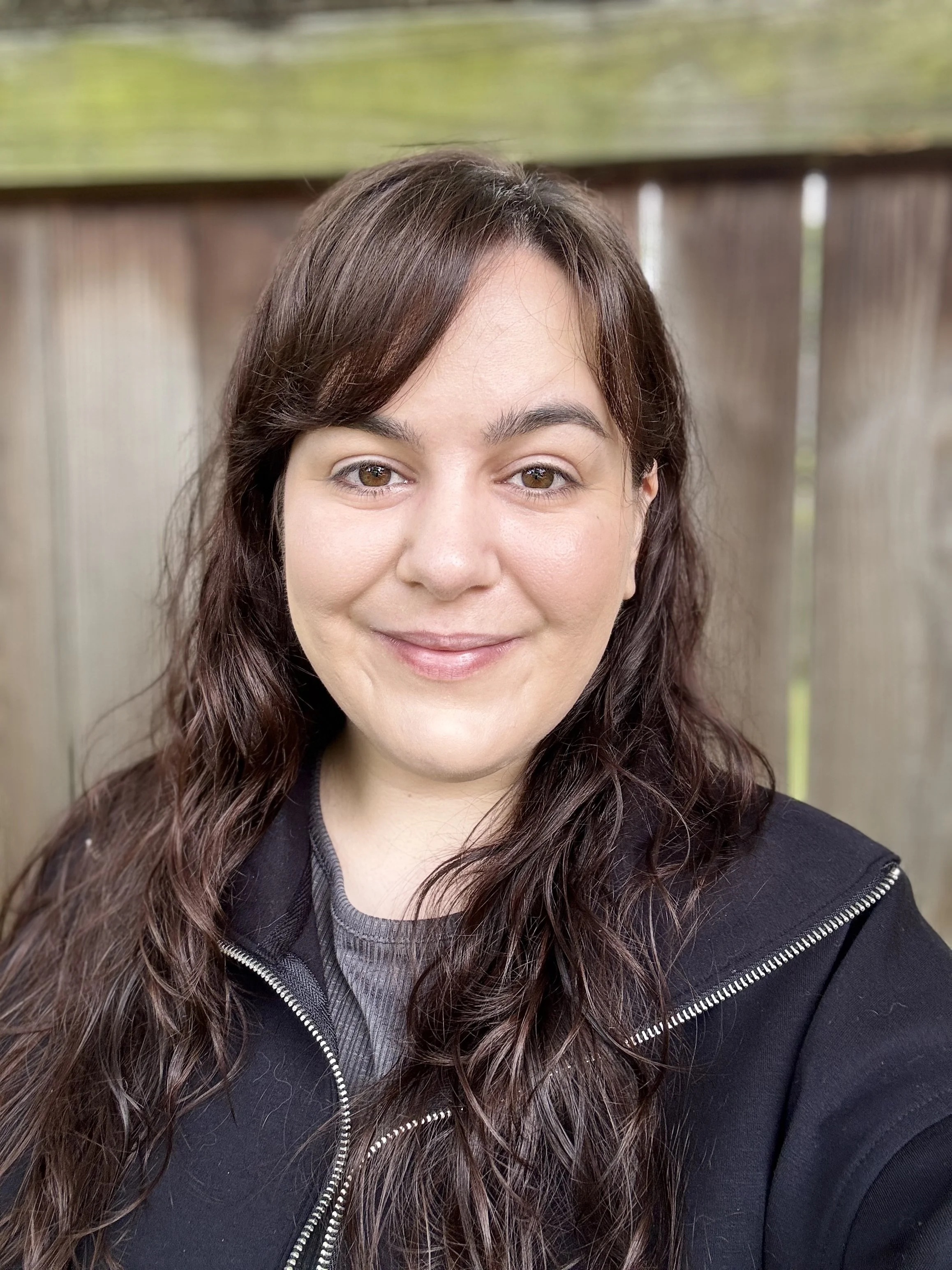
Why I Do This Work
I didn’t set out to specialize in neurodivergence.
While completing my clinical social work practicum, I was late-diagnosed as autistic and ADHD after being in therapy for much of my life. It took a long time for me to even make sense of my experience, let alone describe it:
sensory overwhelm
executive function struggles
masking exhaustion
emotional intensity
the deep burnout that can come from trying to function in a neurotypical world
That’s when I began to realize many people weren’t getting the support they truly needed.
I knew so many autistic and ADHD individuals who were insightful, motivated, and self-aware, yet therapy still wasn’t helping them the way it should.
I now understand that most therapy models were built for neurotypical brains.
My goal is to create therapy that works with your brain instead of against it.
I’m Emily Bachardy, LCSW, and I specialize in therapy for autistic, ADHD, and AuDHD adults healing from trauma.
What Makes My Therapy Different
I’m autistic and ADHD myself. This means you don’t have to spend half the session explaining how your brain works.
✔ Neurodivergent-affirming therapy
✔ Trauma-informed care
✔ Flexible sessions that adapt to your brain
✔ Therapy that doesn’t rely on masking or forcing yourself to be “normal”
✔ Approaches that work even if talking about trauma feels overwhelming
How I Help People Heal Trauma
One of the primary approaches I use is Accelerated Resolution Therapy (ART).
ART allows many clients to process traumatic memories without needing to verbally relive every detail. Instead, we work with how memories are stored in the brain and help the nervous system release the distress connected to them.
People often experience:
reduced emotional triggers
less anxiety around past memories
improved ability to relax
better emotional regulation
If this sounds like the kind of therapy you’ve been looking for, you can schedule a free 15-minute consultation.
FAQs About Online Psychotherapy in Virginia, North Carolina, Texas, Arizona, & Washington
-
Sessions with me are:
Collaborative
Flexible (we change approaches if something isn’t working)
Compassionate but honest
Well-timed with the humor
Neurodivergent-affirming
Focused on real change, not endless talking and listening
Non-religious (secular)
-
I’m often a good fit for people who:
are autistic, ADHD, or AuDHD
feel emotionally overwhelmed often
have experienced trauma or difficult childhood experiences
struggle with burnout or masking
want deeper healing rather than surface-level coping skills
-
I may not be the best fit if
You’re looking for quick coping skills only
You prefer very structured CBT homework every week
You’re not interested in exploring deeper patterns
-
When I’m not working with people, I enjoy:
Traveling to new places
Scotland, especially
Loving on and being loved by my cats
Finding new ways to support my own neurodivergent brain
Sushi and pasta
Self-discovery and direct, experiential knowledge of the divine
Click on the counseling specialty below to learn in detail how I help!

-
Licensed clinical social worker (LCSW) in Virginia (#0904014854)
Licensed clinical social worker (LCSW) in North Carolina (#C019673)
Licensed clinical social worker (LCSW) in Texas (#64770)
Licensed clinical social worker (LCSW) in Arizona (LCSW-2384)
Licensed independent clinical social worker (LICSW) in Washington (SWI.LW.70118728)
-
Trauma Model Therapy certified (2022)
Accelerated Resolution Therapy (ART) certified at the advanced level (2022)
-
Trust-Based Relational Intervention (2019)
Somatic Experiencing Beginning I and II (2023)
Comprehensive Resource Model (2024-2025)
Basic (2024)
Core Self (2025)
Choice Points (2025)
Mapping the Dissociative States (2026)
Inference-Based Cognitive-Behavioral Therapy for OCD (2026)
You don’t have to figure everything out before starting therapy.
Many people come to their first session unsure of where to start.
That’s completely okay and we’ll figure it out.